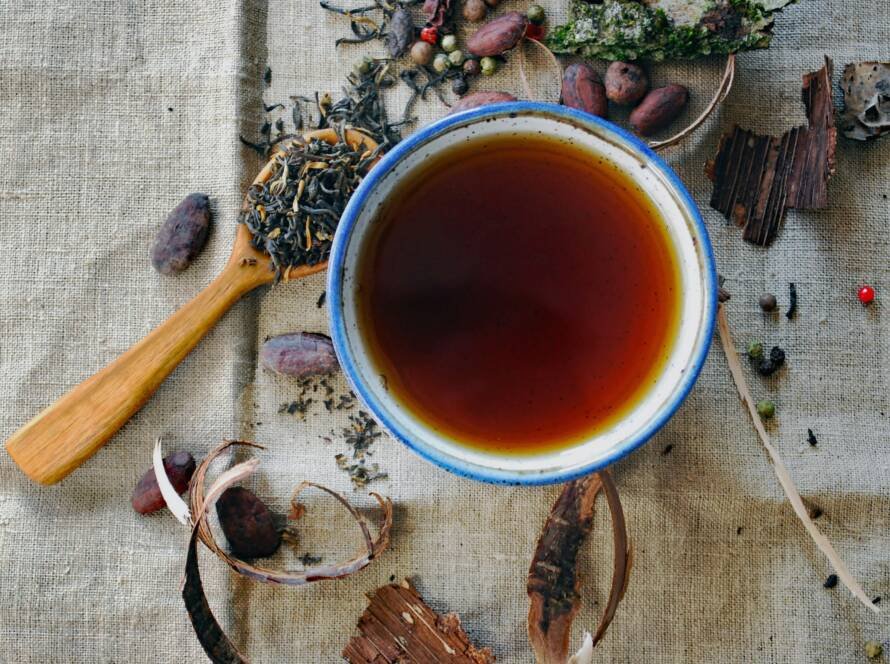
Tea is classified based on the size and appearance of the dry tea leaf,
Breakdown of the Tea grades:
| Grade | Stands For | Leaf Description | Brew Characteristics |
| P | Pekoe | Short, sometimes coarse leaves. A whole-leaf grade that is shorter and less wiry than OP. | Produces a more traditional, often robust and full-bodied cup. |
| OP | Orange Pekoe | A main, whole-leaf grade. Consists of long, thin, tightly rolled, and wiry leaves without tips. | Yields a more delicate fragrance and a lighter liquor. |
| BOP | Broken Orange Pekoe | Small, broken pieces of OP leaves. This is the main broken grade, popular for its balanced strength. | Brews quickly into a bright, rich, and strong cup. Often used in tea bags. |
| FBOP | Flowery Broken Orange Pekoe | Broken leaves, but with the presence of “tips” (unopened buds or young leaves). The “Flowery” designation indicates the presence of these tips. | Contains more delicate flavors and a slight sweetness due to the tips. |
| FBOP SP | Flowery Broken Orange Pekoe Special | This is a premium version of FBOP, often incorporating the term “Special” or “Extra Special” (like FBOPFEXSP). | Features a high proportion of dark, firm leaf and many beautiful, high-quality tips. This grade is highly valued and fetches high prices. |
The terms “Flowery” (F) and “Tippy” (T) indicate the presence of tips (the young, downy leaf buds) . The more tips a tea has, the higher the perceived quality and price, as they contribute to a smoother, often sweeter and more complex flavor. The terms “Broken” (B) or “Fannings” (FNGS) refer to smaller, broken leaf sizes, which brew faster and yield a stronger, more brisk liquor.